Understanding Plate Context in Nutrition Science

An educational exploration of how plate composition relates to body weight from a nutritional perspective.

Thoughtfully composed plate with natural ingredients

Educational content only. No medical services. No promises of outcomes.

Plate and Energy Balance Context
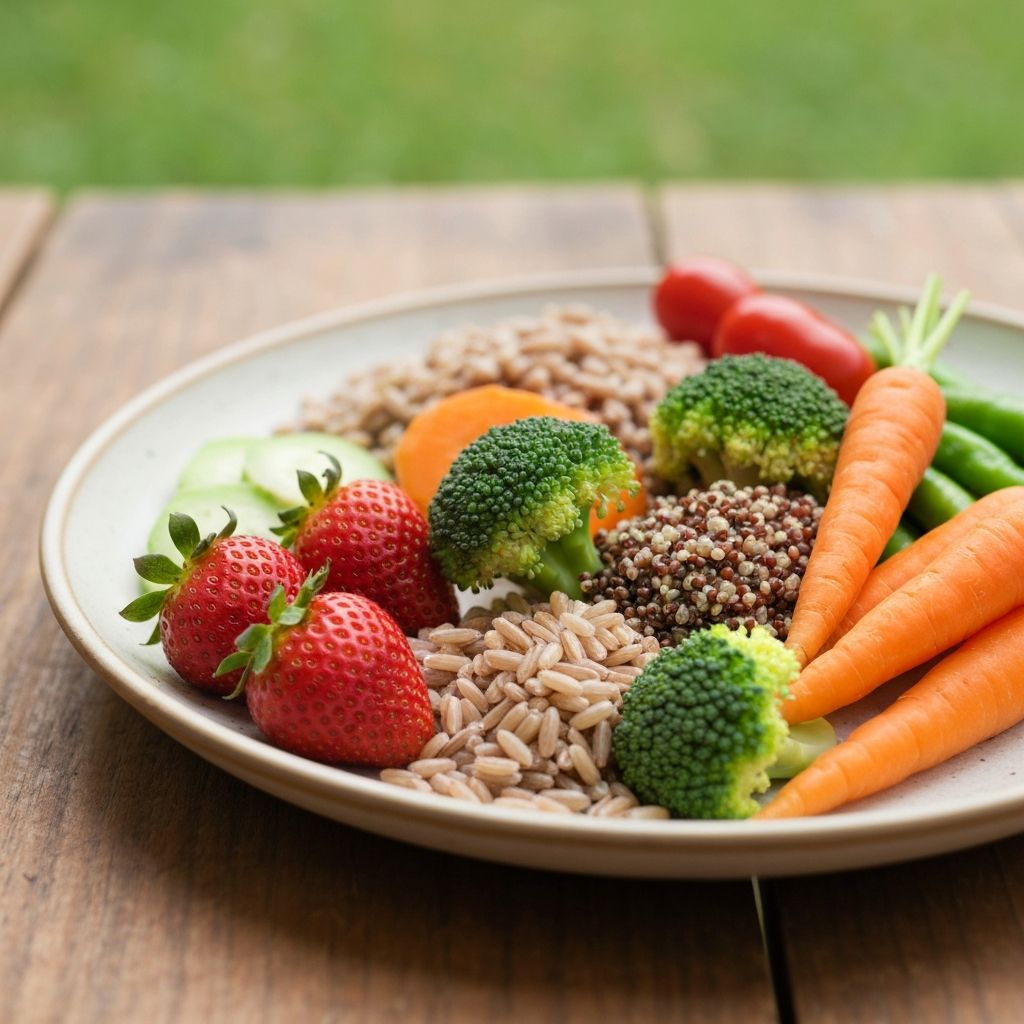
Plate composition and energy balance

The composition of food on a plate represents more than visual arrangement. From a nutritional science perspective, the types and quantities of foods consumed directly influence the body's energy intake and subsequent metabolic processes.

Energy balance refers to the relationship between energy consumed through food and beverages and energy expended through basal metabolism, physical activity, and thermogenesis. When intake consistently exceeds expenditure, the surplus energy is stored, primarily as adipose tissue, leading to increased body weight over time.

The plate serves as a practical unit for examining this relationship. Different food groups contribute varying amounts of energy per gram, with fats providing approximately 9 kilocalories per gram, while carbohydrates and proteins provide approximately 4 kilocalories per gram. The visual representation of these foods on a plate can help illustrate these differences in energy density.

Research in nutritional epidemiology has examined how meal composition affects satiety, hunger signals, and subsequent food intake. The presence of fiber-rich vegetables, for instance, may influence feelings of fullness due to their volume and lower energy density, while energy-dense foods occupy less plate space for equivalent caloric content.

Macronutrient Placement on the Plate

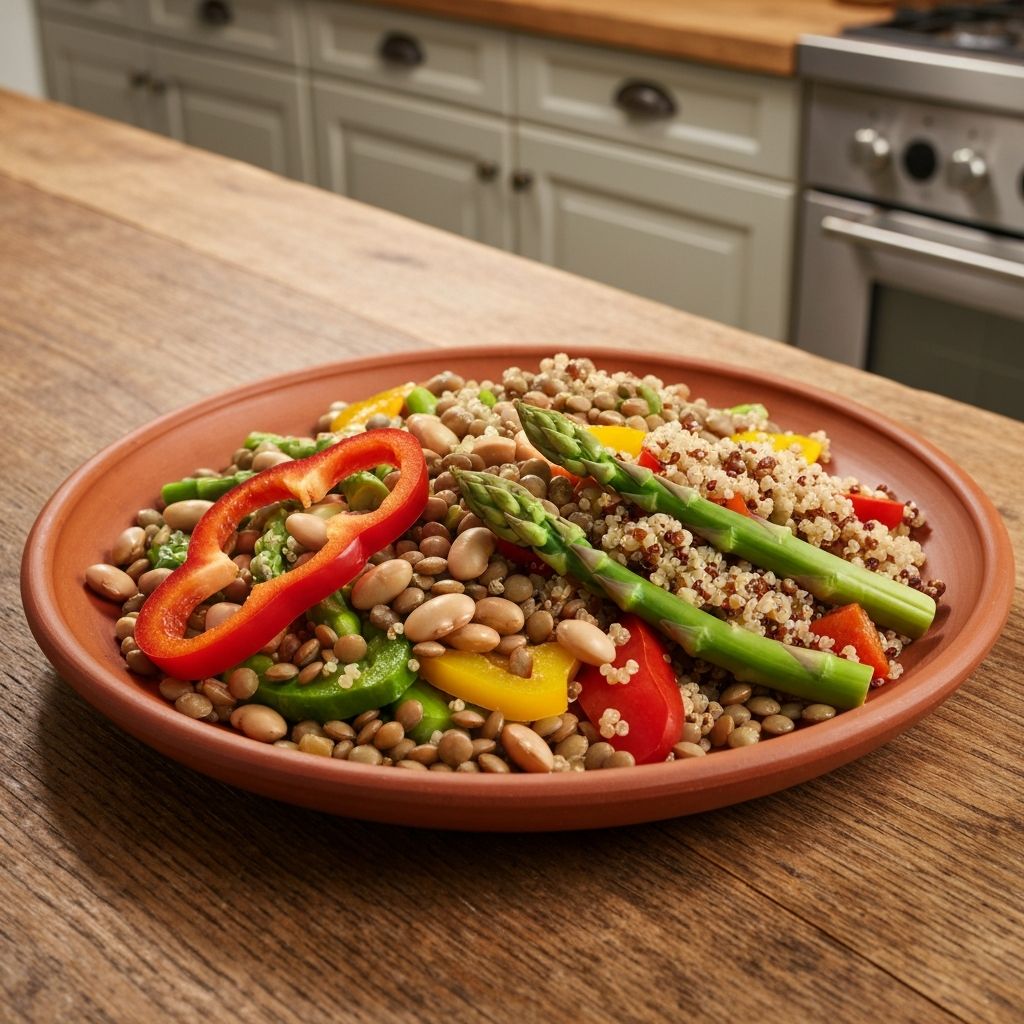
Macronutrients on plate showing proteins and carbohydrates

Macronutrients consist of proteins, carbohydrates, and fats, each serving distinct physiological functions. The proportion of these nutrients on a plate reflects dietary patterns that have been studied extensively in relation to body composition and metabolic health.

Proteins are composed of amino acids necessary for tissue maintenance and repair. Dietary sources include animal products such as meat, fish, and eggs, as well as plant sources like legumes and nuts. Protein has a higher thermic effect compared to other macronutrients, meaning the body expends more energy digesting and processing it.

Diverse macronutrients on terracotta plate

Carbohydrates serve as a primary energy source for cellular function. They range from simple sugars to complex starches and fibers found in whole grains, vegetables, and fruits. The glycemic response to different carbohydrate sources varies, influencing blood glucose levels and insulin secretion patterns.

Dietary fats are essential for nutrient absorption, hormone production, and cellular membrane integrity. Sources include oils, nuts, seeds, avocados, and fatty fish. The type of fat consumed varies in its metabolic effects, with research distinguishing between saturated, monounsaturated, and polyunsaturated fatty acids.

The distribution of these macronutrients on a plate does not follow a universal standard. Various nutritional frameworks have proposed different ratios, but individual requirements depend on numerous factors including age, activity level, metabolic health, and genetic predisposition.

Common Plate Composition Myths

Several misconceptions exist regarding the relationship between plate composition and body weight. Understanding these can help contextualize nutritional information more accurately.

The Perfect Plate Myth

There is no universally optimal plate composition that applies to all individuals. While general guidelines exist based on population studies, individual metabolic responses to different foods vary considerably due to genetic factors, gut microbiome composition, insulin sensitivity, and other physiological variables.

Visual Portions Equal Outcomes

The appearance of food on a plate does not determine metabolic outcomes. Two plates that look similar may contain vastly different amounts of energy depending on preparation methods, ingredient quality, and portion sizes. The context extends beyond visual assessment to actual nutritional content.

Specific Food Timing

While meal timing has been studied in relation to circadian rhythms and metabolic processes, the total daily intake of nutrients generally has a greater impact on body weight than the specific times at which meals are consumed. The plate context at any given meal is one component of overall dietary patterns.

Digestion in the Context of Meals

Fiber-rich meal for digestive context

The digestive process begins when food enters the mouth and continues through the gastrointestinal tract. The composition of a meal influences the rate and efficiency of digestion, affecting nutrient absorption and metabolic signaling.

Fiber, found predominantly in plant foods, affects digestive transit time and influences the gut microbiome. Soluble fiber forms a gel-like substance that can slow gastric emptying, while insoluble fiber adds bulk to stool and promotes regular bowel movements. Both types contribute to the overall experience of satiation after a meal.

The presence of fat in a meal slows gastric emptying, extending the period during which nutrients are released into the bloodstream. This can affect hunger signals and the timing of subsequent meals. Protein also influences satiety hormones such as peptide YY and glucagon-like peptide-1.

Different food combinations on a plate can affect nutrient bioavailability. For example, fat-soluble vitamins require dietary fat for absorption, while certain plant compounds may enhance or inhibit the absorption of minerals. The plate context includes these interactive effects between different food components.

Role of Vegetables on the Plate

Variety of fresh vegetables on plate

Vegetables are characterized by low energy density and high nutrient density, providing vitamins, minerals, and phytochemicals with relatively few calories per serving. This nutritional profile has made vegetables a focus of dietary guidelines worldwide.

The volume that vegetables occupy on a plate is disproportionate to their caloric contribution. A large serving of leafy greens or cruciferous vegetables may contain 50 calories or fewer, while occupying significant plate space. This inverse relationship between volume and energy content is central to understanding plate composition in nutritional contexts.

Different vegetable families offer distinct nutritional profiles. Leafy greens provide folate and vitamin K, orange vegetables are rich in beta-carotene, and cruciferous vegetables contain glucosinolates. The diversity of vegetables on a plate reflects dietary variety, which has been associated with broader nutrient intake in epidemiological studies.

Preparation methods affect the nutritional value and energy content of vegetables. Raw vegetables retain heat-sensitive nutrients but may be less palatable in large quantities. Cooking can increase the bioavailability of certain nutrients while potentially reducing others. The addition of fats, sauces, or dressings increases energy density but may enhance flavor and satisfaction.

Everyday Movement Around Meals

Healthy meal with movement context

Physical activity represents the variable component of total daily energy expenditure. While basal metabolic rate accounts for the majority of calories burned in most individuals, movement throughout the day contributes to overall energy balance.

The relationship between meals and physical activity has been examined in metabolic research. Exercise can influence insulin sensitivity, affecting how the body processes nutrients from a meal. The timing of meals relative to physical activity may affect substrate utilization, though these effects are generally small compared to total energy balance.

Non-exercise activity thermogenesis refers to the energy expended through everyday movements such as walking, standing, and fidgeting. These activities, while not structured exercise, contribute to total daily energy expenditure and vary considerably between individuals based on occupational demands and lifestyle habits.

The plate context exists within the broader context of lifestyle patterns. Meals provide fuel for daily activities, while activity levels influence energy requirements. Understanding this bidirectional relationship helps contextualize nutrition within the framework of overall health behaviors.

Hydration Around the Plate

Meal with water glass showing hydration context

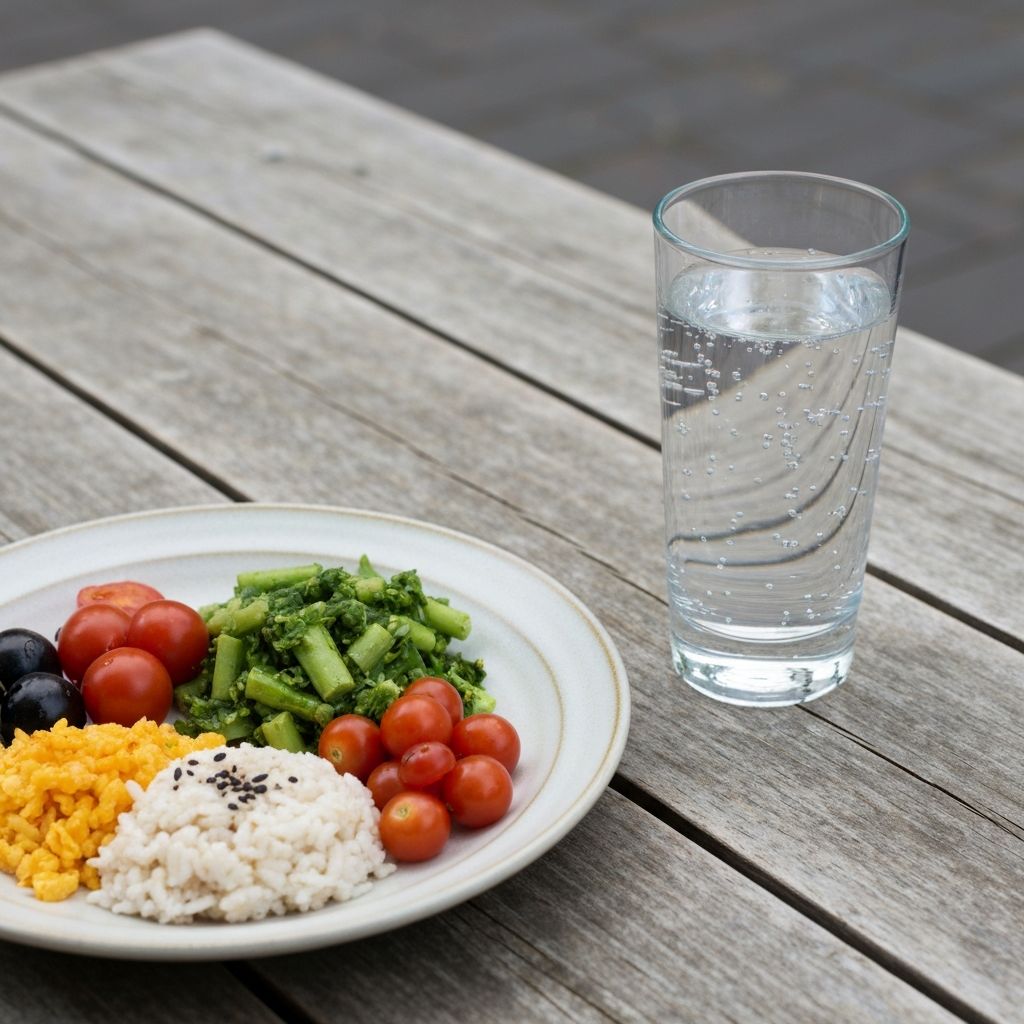
Water constitutes approximately 60 percent of adult body weight and is essential for virtually all physiological processes. Hydration status can influence appetite perception, physical performance, and cognitive function.

The practice of drinking water with meals has been studied in relation to satiety and food intake. Some research suggests that water consumption before or during meals may contribute to feelings of fullness, potentially affecting the amount of food consumed. However, individual responses vary, and water should not be considered a strategy for altering body weight independently of overall dietary patterns.

Beverages contribute to daily energy intake differently depending on their composition. Water contains no calories, while beverages containing sugars, milk, or alcohol add to total energy intake. The choice of beverage accompanying a meal is part of the broader plate context when considering nutritional content.

Hydration needs vary based on climate, physical activity level, and individual physiology. Thirst mechanisms generally regulate fluid intake adequately in healthy individuals, though older adults may experience diminished thirst signals. Adequate hydration supports digestive processes and nutrient transport throughout the body.

Frequently Asked Questions

What is plate context in nutritional science?

Plate context refers to the examination of food composition on a plate as a unit for understanding nutritional intake. It considers the types, quantities, and combinations of foods typically consumed together during a meal, and how these factors relate to overall dietary patterns and energy balance.

Does changing what is on my plate affect body weight?

The foods consumed over time contribute to total energy intake, which is one factor in body weight regulation. However, body weight is influenced by multiple factors including genetics, metabolism, physical activity, sleep, stress, and hormonal regulation. Plate composition is one component of overall dietary patterns, which in turn is one aspect of the complex system that determines body weight.

Are there specific proportions of food that should be on a plate?

Various nutritional frameworks suggest different plate compositions, typically emphasizing vegetables, whole grains, and protein sources. However, individual nutritional needs vary based on age, sex, activity level, health status, and metabolic factors. General population guidelines may not apply to all individuals. Consultation with qualified healthcare professionals is appropriate for personal nutritional guidance.

What is energy density and why does it matter?

Energy density refers to the amount of calories contained in a given weight of food, typically expressed as calories per gram. Foods with high water and fiber content tend to have lower energy density, while foods high in fat or sugar have higher energy density. Understanding energy density helps explain why similar plate volumes can contain vastly different amounts of energy.

Is this website providing nutritional advice?

No. This website presents general educational information about nutritional science concepts. It does not provide personalized nutritional advice, medical recommendations, or guidance for individual circumstances. All content is for informational purposes only. Individuals seeking nutritional guidance should consult qualified healthcare professionals.

Continue Exploring Plate Context

Learn more about the nutritional science behind meal composition and its relationship to body weight.

Read More About Our Approach

Get in Touch

Have questions about the content on this site? Contact us for content-related inquiries only.

Content Limitations and Context

The information presented on PlateContext is educational in nature and describes general nutritional science concepts. This content does not constitute individual nutritional recommendations, medical advice, or professional consultation. Nutritional needs and metabolic responses vary significantly between individuals based on numerous factors including genetics, health status, activity levels, and personal circumstances.

The plate context framework is one approach to examining dietary patterns and should not be interpreted as a prescriptive method or guaranteed approach to any health outcome. Readers should consult qualified healthcare professionals for personalized nutritional guidance appropriate to their individual situations.